December 23, 2025
Maintaining clean and safe drinking water is essential for the health and well-being of your household, and a well-functioning water filter plays a critical role in achieving that goal. Over time, however, filters can become less effective, leading to water that tastes, smells, or looks off. Recognizing when your water filter needs replacement is crucial to ensuring your home continues to receive safe, high-quality water. Ignoring the signs of a failing filter can result in health risks, reduced system efficiency, and unnecessary costs. Whether you rely on a local water filtration system for your drinking water, or smaller devices like refrigerator or pitcher filters, understanding when and why to replace your filter can save you time, money, and potential headaches.
What Are the Signs That Your Water Filter Needs Replacement?
One of the earliest and most noticeable indicators of a filter needing replacement is a change in the taste or smell of your water. Water that begins to taste metallic, bitter, or otherwise unusual may indicate that the filter is no longer effectively removing impurities. Likewise, a foul or chlorine-like odor is often a warning that contaminants are bypassing the filtration process. For homeowners using a local water filtration system, being attuned to these changes is especially important because the system is designed to provide consistent, high-quality water, and any alteration in taste or smell is a clear signal that maintenance is due.
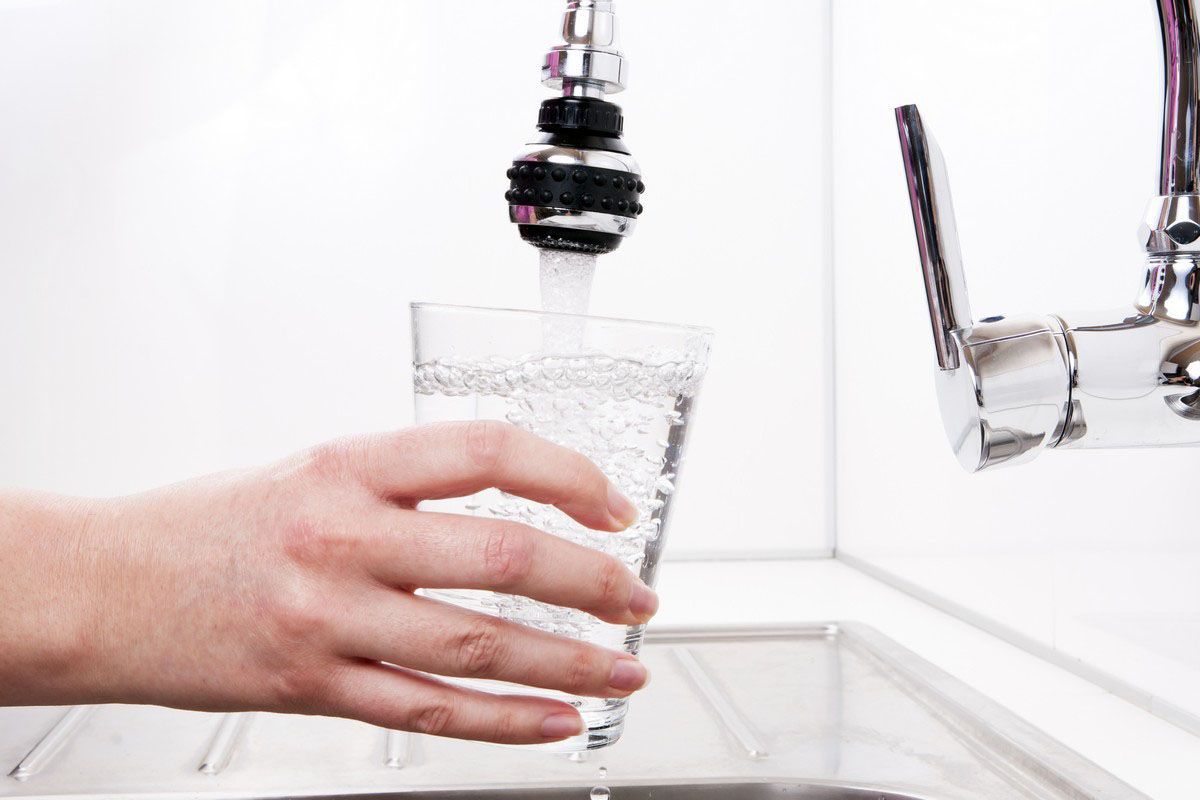
A sudden reduction in water flow through your filter is another common sign that it needs replacement. As filters trap sediment and particles, they can gradually become clogged, slowing water movement. In extreme cases, an overly clogged filter may restrict flow so much that the system struggles to deliver water at all. Observing your system's output is an easy way to monitor filter health. If water seems to be taking longer to fill a glass or appliance, it's time to check your filter.
Many modern water filtration systems are equipped with indicator lights or digital alerts to signal when a filter needs replacement. These built-in systems monitor usage and filtration performance, providing a clear reminder to maintain your equipment. Paying attention to these notifications is essential for keeping your local water filtration system operating at peak efficiency and ensuring your household continues to receive safe water.
How Often Should You Replace Your Water Filter?
Most filter manufacturers provide clear guidelines for replacement intervals. Typically, standard filters need replacement every three to six months, while more advanced systems may last up to a year, depending on their capacity and type. Following these recommendations ensures consistent water quality and prevents potential system strain. Ignoring the manufacturer's guidelines is one of the most common reasons filters fail prematurely.
The lifespan of your water filter can vary based on several factors. Water quality, including sediment and contaminant levels, plays a significant role. Households with hard water or higher mineral content may require more frequent filter changes. Usage patterns also matter; a family that consumes large quantities of water daily will go through filters faster than a single occupant. Lastly, the type of filter-carbon, reverse osmosis, or ceramic, determines how long it can effectively purify water. Did you know? According to the Freedonia Group study, U.S. demand for consumer water-filtration systems is forecast to rise by 3.7_% per year through 2024 to reach US_$955_million in 2024.
Many modern systems, including local water filtration systems, include smart technology that tracks filter life. These systems measure the amount of water processed or the time elapsed and provide a warning when replacement is necessary. Leveraging this technology can help you maintain optimal water quality without having to guess when a filter is nearing the end of its useful life.
It's important to tailor your replacement schedule to your household's specific needs. High-consumption homes may need to replace filters more frequently than recommended, while occasional users might extend the interval slightly. Monitoring water quality, taste, and flow in conjunction with manufacturer guidelines ensures you don't replace filters too early or too late.
What Consequences Arise from Not Replacing a Water Filter?
Failing to replace a water filter can compromise the quality of your drinking water, potentially exposing you to harmful bacteria, chemicals, or heavy metals. This can lead to gastrointestinal issues, skin irritations, or long-term health problems. For those relying on a local water filtration system, regular maintenance is crucial to safeguard the health of every household member.
A clogged or expired filter can place undue stress on your filtration system. This may lead to leaks, mechanical failure, or reduced efficiency, potentially requiring costly repairs or a full system replacement. Keeping filters up to date ensures that your system functions smoothly and prolongs its overall lifespan.
While it may seem economical to delay replacing filters, doing so can increase costs in the long run. A failing filter forces your system to work harder, consuming more energy and potentially damaging components. Additionally, emergency replacements and water damage repair can far exceed the nominal cost of regular filter maintenance.
Changing filters on schedule also benefits the environment. Regular replacement prevents contaminants from being released into your household water, and many filters can be recycled or properly disposed of to minimize environmental harm. Timely maintenance helps reduce waste and promotes sustainable water use practices, which is especially important when supporting community-level infrastructure like a local water filtration system.
What Types of Water Filters Require Regular Replacement?
Carbon filters, which are common in pitcher filters, under-sink systems, and some whole-house setups, typically require replacement every three to six months. These filters are effective at removing chlorine, odors, and certain chemicals, but lose efficacy as they become saturated.
Reverse osmosis (RO) systems use multiple filters and membranes to purify water. Carbon pre-filters, sediment filters, and RO membranes each have different replacement schedules. Pre-filters may need changing every six months, while membranes can last two to three years. Following the manufacturer's guidance is key to maintaining performance in local water filtration systems equipped with RO technology.
Whole-house filtration systems handle a large volume of water, often treating all incoming water for the home. Due to higher usage, these systems may require frequent maintenance, including replacing sediment and carbon filters every six months to a year, depending on water quality.
Smaller household filters, such as those in refrigerators or water pitchers, usually require replacement every two to three months. Frequent replacement ensures that drinking water remains free of impurities and tastes fresh.
Regularly replacing your water filter is essential for maintaining safe, clean, and great-tasting water throughout your home. By paying attention to signs such as changes in taste and odor, reduced water flow, system alerts, or visible sediment, you can identify when your filter is no longer performing effectively. Following manufacturer recommendations, monitoring usage patterns, and leveraging smart technology in local water filtration systems ensures timely replacements that protect both your health and your system's longevity. Neglecting filter maintenance can lead to health risks, increased repair costs, and environmental harm, while proactive care promotes efficiency, cost savings, and sustainability. Whether you rely on carbon filters, reverse osmosis systems, whole-house setups, or smaller household devices, understanding each filter's replacement needs is key to ensuring optimal water quality. Need a new filter? Contact Hanson's Water Filtration today!