April 27, 2026
The demand for water-filtration systems in the United States is experiencing significant growth. This demand is driven by various factors, including economic improvements, increasing environmental concerns, and growing awareness of health benefits. These systems provide a sustainable alternative to bottled water, helping to reduce environmental waste. The Freedonia Group study projects a growth rate of 3.7% per year for U.S. consumer water-filtration systems, reaching $955 million by 2024. The following sections delve into the economic, environmental, and health factors influencing this surge in demand.
1. Economic Factors Driving Water-Filtration Demand
1.1. Rising Disposable Incomes and Consumer Spending
The increase in disposable income has empowered consumers to spend more on health and wellness products. With more financial flexibility, households are investing in water-filtration systems as part of lifestyle enhancements. This shift is supported by a growing middle class, motivated by the desire for better health. As consumer spending increases, the trend towards purchasing advanced filtration systems is expected to grow. In 2024, the U.S. market for water-filtration will see significant growth due to these economic dynamics.
1.2. Cost of Bottled Water vs. Filtration Systems
Economically, investing in water-filtration systems is more viable than relying on bottled water. Over time, the cost of purchasing bottled water exceeds the one-time investment and maintenance of filtration systems. Consumers are recognizing the long-term savings associated with filtration systems, leading to greater adoption in households. Moreover, as awareness increases, the cost-benefit analysis will favor home water-filtration as a more financially sustainable choice. The Freedonia Group forecast reflects the economic sensibility driving this preference shift among U.S. consumers.
1.3. Innovations in Affordable Filtration Technologies
Technological advancements have led to more affordable and accessible water-filtration solutions. These innovations include efficient materials and methods that reduce costs without compromising quality. As companies produce cost-effective filtration units, the market becomes more competitive and attractive to consumers. Consequently, more households are choosing to install filtration systems, recognizing their value relative to bottled water. Innovative technologies will continue to drive demand and make water-filtration an attractive option for every household.
1.4. Impact of Inflation on Consumer Choices
Inflation impacts consumer purchasing power, influencing preferences toward cost-efficient solutions like water-filtration systems. As prices rise, consumers seek ways to manage household expenses effectively. Home water-filtration offers an economical solution, reducing reliance on increasingly expensive bottled alternatives. Trends indicate that inflation encourages consumers to prioritize investments promising long-term savings. This behavior is a contributing factor to the projected growth in the water-filtration sector by 2024.
1.5. Government Incentives and Tax Credits
The U.S. government offers incentives and tax credits to promote the adoption of water-filtration systems. These incentives reduce the initial cost barrier, encouraging more consumers to consider filtration options. Financial benefits from these policies align with environmental goals, reducing plastic waste from bottled water. As awareness grows, governmental support is crucial in enhancing market penetration of water-filtration systems. Such initiatives play a pivotal role in realizing the Freedonia Group's projected growth figures.
2. Environmental Concerns and Their Influence on Demand
2.1. Reducing Plastic Waste from Bottled Water
The environmental impact of bottled water is a major concern, contributing significantly to plastic waste. Consumers are increasingly aware of the negative effects of plastic pollution, leading to a shift towards sustainable alternatives. Water-filtration systems offer a viable solution by providing quality drinking water without generating plastic waste. This shift reflects a broader trend towards sustainable living as consumers align their preferences with eco-friendly practices. Consequently, reducing plastic waste is a significant driver of demand for water-filtration systems.
2.2. Climate Change and Water Quality Issues
Climate change exacerbates challenges with water sources, affecting quality and availability. As a result, consumers are turning to water-filtration systems to ensure clean and safe drinking water. These systems provide an added layer of security against contaminants made prevalent by environmental changes. Increased concern over water quality is a direct response to the uncertain impacts of climate change. The demand for efficient and reliable filtration solutions continues to grow as consumers seek to safeguard their health amidst these challenges.
2.3. Sustainability as a Key Consumer Value
Sustainability is increasingly central to consumer decision-making, influencing trends in water-filtration adoption. Eco-conscious consumers value products that align with their sustainable living goals. Water-filtration systems meet this need, reducing reliance on single-use plastics and conserving natural resources. This shift towards environmentally-friendly products reflects broader societal trends prioritizing sustainable consumption. The alignment of water-filtration systems with these values strengthens their market appeal.
2.4. The Role of NGOs in Environmental Advocacy
Non-governmental organizations (NGOs) play a significant role in promoting sustainable water consumption practices. Their advocacy raises awareness about the environmental benefits of reducing bottled water use. NGOs actively campaign for adoption of filtration systems as a practical step towards addressing global plastic waste issues. Their influence helps shift public opinion and encourage consumer choices that prioritize sustainability. The Freedonia Group's forecasted demand increase reflects the impact of NGO-driven initiatives on consumer behavior.
2.5. Corporate Responsibility and Eco-friendly Marketing
Corporate responsibility is a driving force in promoting eco-friendly water-filtration products. Companies market these products as part of broader green initiatives, aligning with consumer sustainability values. This marketing strategy not only enhances brand image but also educates consumers about environmental benefits. As corporate environmental responsibility becomes a norm, the demand for green products, including water-filtration, is poised to grow. These efforts contribute significantly to the projected increase in market demand.
3. Health and Safety Benefits of Water Filtration
3.1. Filtration's Role in Removing Contaminants
Water-filtration systems are essential in removing contaminants that affect water safety and quality. They filter out impurities such as chlorine, lead, and other harmful substances. Improving water quality directly benefits consumer health, making these systems desirable household investments. As awareness of waterborne risks grows, so does the demand for effective filtration solutions. The focus on health improvements through filtration aligns with the Freedonia Group's growth projections.
3.2. Responding to Water-Borne Health Threats
Contaminated water sources pose significant health threats, increasing the need for reliable purification systems. Outbreaks of waterborne diseases heighten consumer awareness of these risks. In response, households are prioritizing investments in water-filtration systems to ensure safe drinking water. These systems provide peace of mind by safeguarding families from potential health issues. Such health-driven demand significantly contributes to the growing market for filtration systems.
3.3. Public Awareness and Education Campaigns
Public education campaigns are crucial in raising awareness about the health benefits of water-filtration systems. They inform consumers about the potential dangers of untreated water and the advantages of personal filtration. Health organizations and agencies play an active role in these educational efforts, reinforcing the importance of clean water access. This widespread awareness contributes to increased consumer demand for effective filtration solutions. The success of these campaigns is evident in the continuing growth of the industry as projected.
3.4. Improved Taste and Odor of Filtered Water
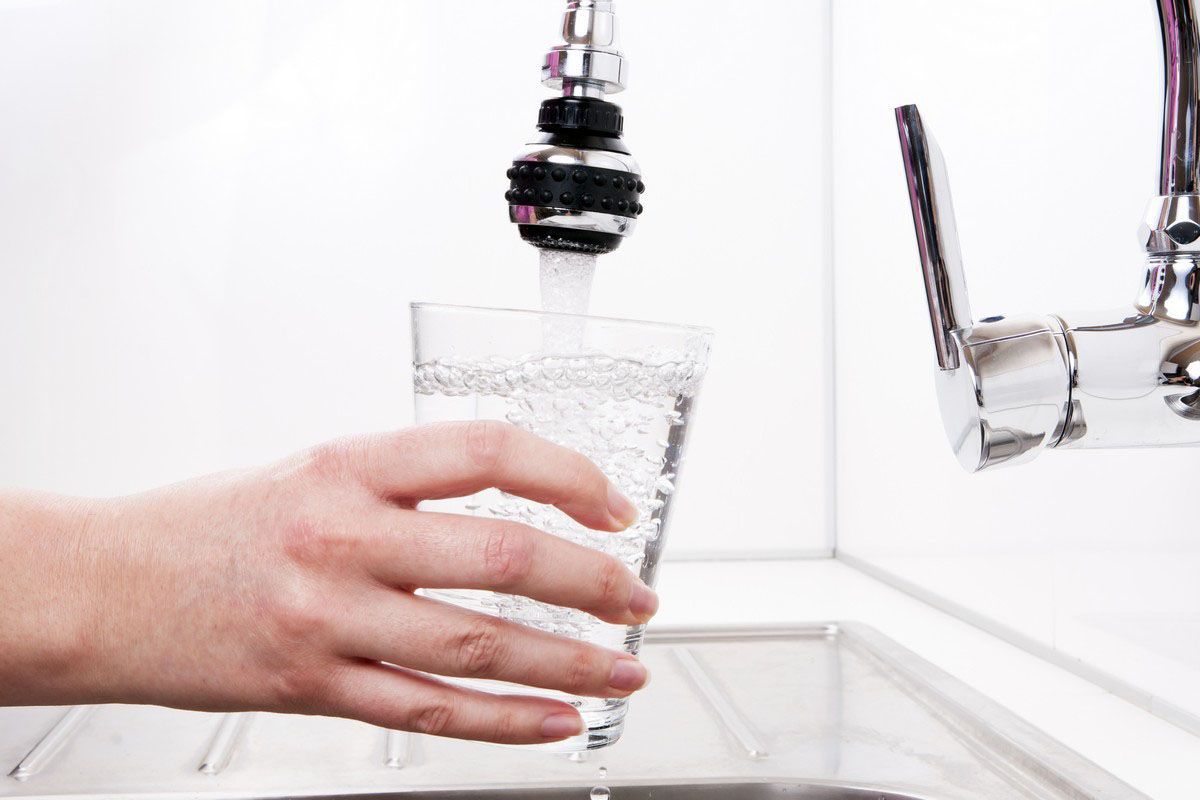
Filtered water offers improved taste and odor, making it more appealing to consumers. Many consumers dislike the taste of tap water due to chlorine and other additives. Filtration systems enhance water's sensory qualities, encouraging more people to choose tap water over bottled options. According to the Freedonia Group study, U.S. demand for consumer water-filtration systems is forecast to rise by 3.7% this year. This benefit complements health improvements, making water-filtration systems a popular choice. As taste and odor concerns are addressed, demand for these systems will likely increase, driving market growth.
The market for water filtration systems in the United States is poised for substantial growth, driven by economic, environmental, and health factors. As consumer preferences evolve, innovations and technology will play a crucial role in meeting demand. The Freedonia Group forecasts a significant market expansion, reflecting the industry's adaptability to changing consumer needs. Companies that align with these trends are likely to thrive in this dynamic environment. Continued focus on sustainability, product efficacy, and technological innovation will shape the future trajectory of the U.S. water-filtration market. Be sure to reach out to Hanson's Water Filtration today for more information on our professional water filtration service!